The shift no one is naming clearly enough
In 2022, NFTs collapsed under their own hype. Floor prices imploded, projects rugged, the JPGs got right-clicked. The original deck I wrote at the end of that cycle ended on a single conviction: it's never been about the JPG. It's about what you can do with the token.
Three years on, that argument matters more, not less. AI has flooded the open web with synthetic everything — text, images, voices, agents, fake humans posing as fans. In that environment, the unit of digital value stops being content and starts being proof.Proof of who made it. Proof of who owns it. Proof of who's actually in the room. The token is the cleanest primitive we have for all three.
Authenticity in the synthetic age
The most underrated consequence of generative AI is the collapse of trust in the default. By 2027, you have to assume any image, any voice, any account could be synthetic. Watermarks help. Provenance metadata helps more. But the strongest guarantee is cryptographic: a token, signed by a verified human or institution, attached to the work at the moment of creation.
The same logic extends to community. Discord servers are already overrun by AI agents impersonating fans for engagement farming. The next generation of real communities will gate access with tokens — not as a paywall, but as a humanness check. A token-gated room is one of the few places left where you can be reasonably sure the person on the other end of the conversation is actually a person, with skin in the game, who chose to be there.
The token isn't the JPG. The token is the wallet pass to real.
Provenance as a primary signal
For two decades, the web treated provenance as metadata — invisible, optional, easily stripped. In an AI-saturated economy, provenance becomes the product.
- Original creation. A token minted at the moment of capture or export carries an immutable claim: this image, this song, this video came from this person, on this date, on this device. Standards like C2PA cover the metadata layer. Tokens give it a ledger.
- Ownership history. Every transfer is logged. Resale royalties can flow back to the original creator automatically, without a platform sitting in the middle taking a cut.
- Composability. A token can carry attestations from multiple issuers — a brand, a venue, a co-creator, a verifier — stacking proofs on a single asset.
In the same way the URL became the unit of address for the open web, the token becomes the unit of provenance for the synthetic web. Not because the speculators want it. Because the infrastructure needs it.
The loyalty unlock for brands
This is the piece most brands missed in the 2022 cycle, and it's the one that matters most now. Loyalty programs as we've known them — points trapped in a single airline app, perks that expire on a calendar nobody reads, status tiers designed for the brand's convenience — are about to look as quaint as a punch card.
Tokenized loyalty is composable. The token sits in the fan's wallet, not the brand's database. It can carry status across moments, across venues, across partners. It can unlock physical access (the seat, the show, the merch drop), digital access (the gated channel, the early link, the unreleased cut), and social proof (the badge other fans recognize on sight).
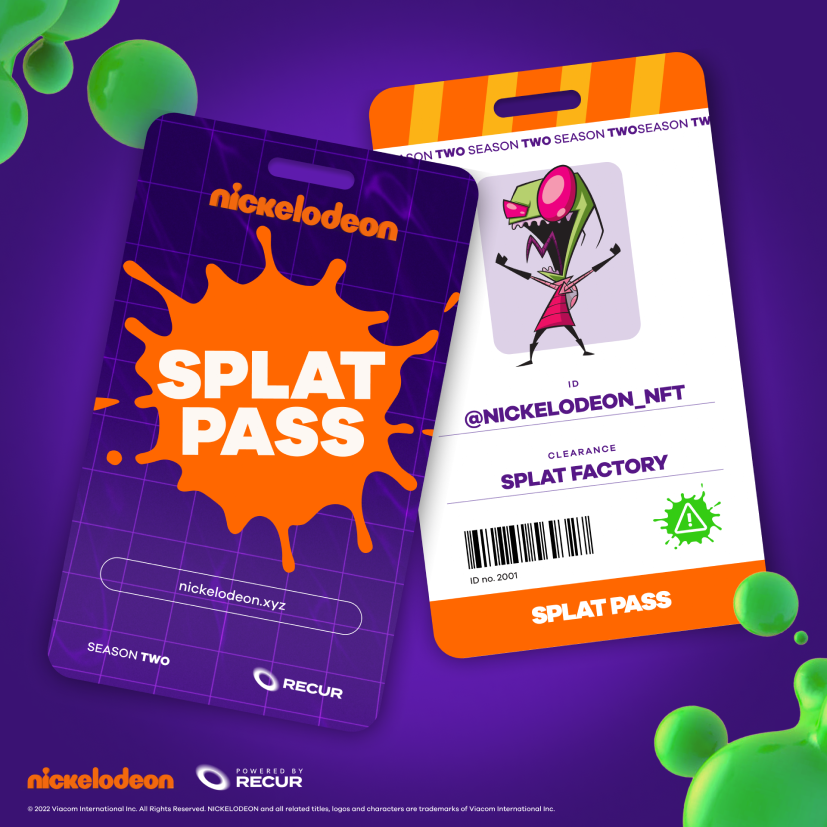
In the brand work I did during the original cycle — Nickelodeon's emoji and IP collections, Star Trek's on-chain artifacts, the Jurassic Perks Toronto Raptors loyalty program — the consistent insight was the same: fans don't want to own a JPG. They want to be recognized for showing up. The token is just the receipt that the brand finally remembered them.